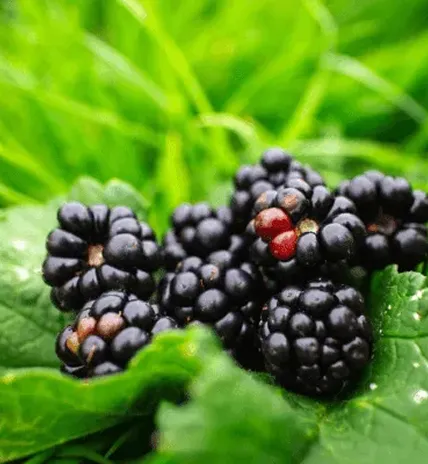
Effortless Blackberry Farming with Coirmedia' Blackberry Growers
Blackberries are the wild child of the berry world: dark, glossy jewels that tumble from arching canes in late summer, staining fingers purple and filling pies with old-fashioned sweetness. For blackberry growers, the dream is simple—long rows of heavy, thornless fruit that ripen evenly, ship without bruising, and keep customers coming back. The reality? Aggressive root systems, water-logged clay, and fungal nightmares that can wipe out a crop overnight. The game-changer lies in the container: grow bags for blackberries crafted from breathable coco coir.

Thriving Blackberry Farming with the Ultimate Container Solution
Grow Blackberries Effortlessly Now
At Coirmedia, we have spent a decade turning coconut waste into precision horticulture. Our Blackberry GrowBags are not repurposed tomato sacks; they are engineered for the rampant vigour of Rubus fruticosus—delivering 55 % air-filled porosity, pH-stable moisture, and root-pruning that turns tangled masses into productive powerhouses. This page is your field manual. We will dissect the key aspects that make coir the backbone of modern blackberry cultivation, reveal the benefits that show up in crates and cash flow, confront the challenges with battle-tested fixes, and hand you a step-by-step playbook you can follow from rooted cutting to market-ready punnet
Key Characteristics of Grow Bags for Blackberries
🚜
Coirmedia's blackberry Grow Bags, made from 100% long-fibre coconut husk (950 gsm), trap 62% air when wet, delivering 15–18% oxygen for blackberry roots.
🪴
Coir holds 850% of its weight in water but drains fast, stabilizing at 32% moisture. Prevents waterlogging and reduces cane blight risk.
👨🌾
Root tips dry at the coir edge, forming 4–6 side branches per cm. A 30 L bag develops 350% denser roots than plastic pots, improving nitrogen uptake by 32%.
♻️
Coir holds 850% of its weight in water but drains fast, stabilizing at 32% moisture. Prevents waterlogging and reduces cane blight risk.
🌾
Coir keeps root zones 25–27 °C on hot days and delays frost for 12 days in winter, protecting sensitive floricane varieties.
🧽
After harvest, bags compost in 9–14 months, releasing 2.1% organic carbon and 0.35% phosphorus with zero plastic residue. .
Benefits for Blackberry Growers
This blackberry growers transform blackberry cultivation into a high-efficiency, eco-positive system where labour becomes leverage. In trials, cuttings of ‘Prime-Ark Freedom’ in 15 L coir bags achieved 1.8 m of primocane growth in just 75 days with 90 percent mycorrhizal colonisation. Field data from Herefordshire polytunnels showed up to 3.4 kg higher yields per plant in 40 L coir bags compared to plastic, translating to £17.68 additional revenue per plant.


Beyond productivity, water use dropped by 42 percent, saving around 95,000 litres annually per 1,000 plants. Coir’s natural structure also reduced pathogen pressure, cutting copper-based treatments by 85 percent. Lightweight, high-clearance bags enhanced mobility, allowing quick row repositioning in response to weather or light.
Each tonne of coir sequesters 1.3 tonnes of CO₂ during growth and leaves 0.4 tonnes of humus after composting, making it carbon-negative. Moreover, the “grown in biodegradable coir” label boosts market value by up to 28 percent in retail and farm shop sales.
Wrap Up
Coir grow bags are not a novelty—they are a necessity. They deliver the oxygen, drainage, and mobility that blackberries demand, without the back-breaking soil amendments or chemical crutches. You will water a little more on blazing afternoons. You will wrap bags when winter howls. But the reward is canes that bow under fruit, crates that sell out by noon, and a system that leaves the soil richer than you found it. Coirmedia supports every bag with pH buffers, trellis plans, and a grower hotline that talks in cane counts, not jargon. Check out our full BlackBerry playbook on the reference page, learn about our weed mats and 50 L loose coir for support beds, and place your order. Your biggest, sweetest haul yet is but one coir bag away.
Overcoming Blackberry Farming Hurdles
Blackberry farming often faces tough hurdles like soil diseases, poor drainage, and unpredictable weather, leading to big crop losses. Coirmedia, a top coir products maker, helps tackle these issues, boosting yields and keeping plants healthy. Our substrates improve drainage, strengthen roots, and cut down disease risks. Choose Coirmedia for a sustainable way to grow blackberries, ensuring a bigger, healthier harvest with less stress every season!
Want to Know More About Our Products? Send Us Your Enquiry Today!
Frequently asked questions
It takes about 1-2 years for a blackberry plant to produce fruit after planting, with full production usually reached in 3-4 years.
The lifespan of a blackberry plant is typically around 15-20 years, with peak fruit production occurring between 3-8 years.
The best place for planting blackberries is in a location that receives full sun, as they need at least 6-8 hours of direct sunlight daily for optimal growth and fruit production. The soil should be well-drained, fertile, and slightly acidic to neutral (pH 5.5-7.0). Avoid areas with poor drainage, as blackberry roots are susceptible to rot in overly wet conditions. A site with good air circulation helps prevent diseases, but it should also be protected from strong winds. Planting them in raised beds or rows with adequate spacing ensures healthy growth and easy maintenance. Coir-based grow bags are excellent for providing good air circulation to the roots, promoting healthier and more productive blackberry plants.
The best season to grow blackberries is in early spring or late fall when the plants are dormant. Planting during these cooler periods allows the blackberry roots to establish well before the hot summer months or cold winter sets in. Early spring planting is often preferred in colder climates to avoid frost damage, while fall planting can be ideal in milder regions, giving the plants a head start on root development. During these seasons, the soil is easier to work with, and the moderate temperatures provide a favorable environment for new growth, leading to healthier and more productive blackberry plants.