Picking grow bags shouldn't be complicated. But walk into any garden center, and suddenly there's a wall of options that makes choosing feel impossible. Truth is, get the right bag and gardening gets so much easier. Choose poorly? That's months of frustration staring back from the garden. Coir grow bags keep popping up everywhere these days. Not by accident either - they work. Most people grab whatever's cheapest or looks decent. Massive mistake. The wrong bag turns promising plants into sad, stunted disappointments. But nail the selection? Plants practically take care of themselves.
How Grow Bags Flipped the Script
Traditional gardening meant digging, back pain, and fighting with whatever soil happened to be there. Grow bags said “forget all that.” Complete control over growing conditions. Need better drainage? Done. Want to move plants around? Easy.
Portability changes everything. Sun moving throughout the day? Slide the bag over. Storm coming? Bring everything closer to shelter. Try that with plants stuck in the ground.
Heavy ceramic pots? Forget about it. Those things need a forklift just to rearrange the deck. Quality grow bags weigh almost nothing but still hold everything perfectly.
Drainage problems disappear with decent bags. Regular pots either hold too much water or dump it all out immediately. Grow bags find that perfect middle ground – roots stay happy without drowning.
Air circulation makes a huge difference too. The bag material breathes. Air reaches roots. Fungal problems drop way down. Root circling becomes a thing of the past because roots hit air instead of hard surfaces and branch out naturally.
Plus they’re actually good for the environment. When the season ends, toss them in the compost. They break down and improve soil instead of sitting in landfills forever.
Types of Grow Bags – What Actually Works
Different materials work better for different situations. Understanding the differences saves money and headaches.
Fabric Bags – Still the Champion
Fabric bags rule gardens for good reasons. That breathable material creates conditions plants love. Air pruning happens automatically – no more roots wrapping around in circles until they choke themselves.
Durability varies like crazy between brands though. Cheap ones fall apart after one season. Quality fabric bags? They’ll last years if treated right. They come in every size imaginable too – from tiny herb pots to massive tree containers.
Temperature control works better with fabric. Roots stay cooler when it’s hot, warmer when it’s cold. Plants stress less, grow better, produce more.
Plastic Bags – Cheap But Limited
Plastic costs less upfront, which tempts budget-conscious gardeners. They work fine for single seasons, especially with plants that love moisture like tomatoes and cucumbers.
But here’s the catch – limited airflow. Plastic doesn’t breathe like fabric. Root development suffers. Disease pressure goes up. They’re not exactly environmentally friendly either.
For beginners testing the waters? Plastic bags work as training wheels. Just don’t expect miracles.
Smart Pots – Premium Performance
Smart pots combine fabric benefits with clever design improvements. That rigid bottom stops roots from growing through while keeping everything else breathable. Addresses one of regular fabric bags’ few weak spots.
They cost more than basic fabric bags. But serious gardeners often find the performance boost worth every penny.
Coir Bags – Nature’s Sweet Spot
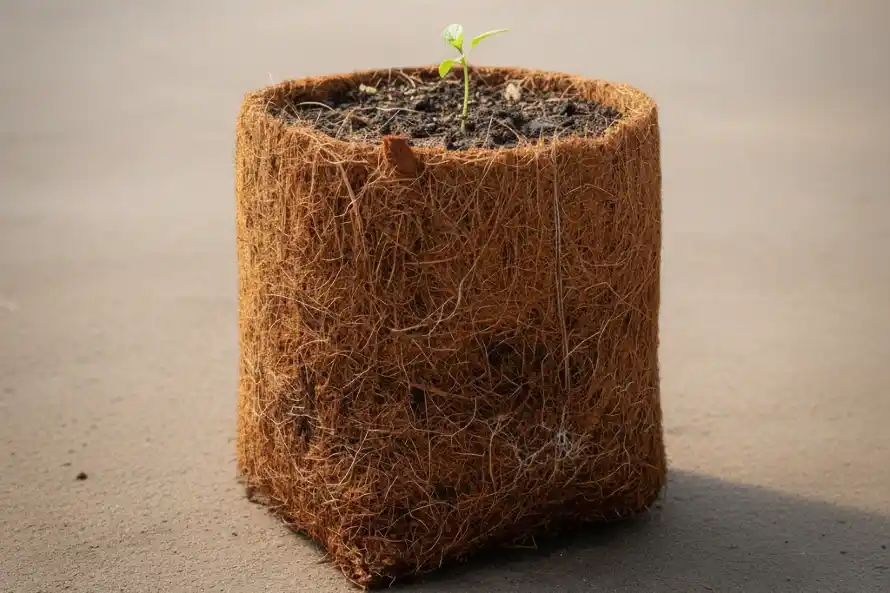
Coir bags might just be the best of everything. Made from coconut husks, they drain perfectly while holding just the right amount of moisture. The natural material breaks down slowly – plants get established before the bag disappears.
Benefits of coir grow bags include built-in disease resistance, stable pH, and complete biodegradability. Coconut fiber naturally fights fungal problems. Less need for chemical treatments. Great for organic growing.
Temperature buffering works amazingly well with coir. Those insulating properties protect roots from extreme heat and brutal cold. Growing seasons get longer. Plant survival rates go up.
Size Matters More Than People Think
Getting size wrong kills more container gardens than anything else. Too small stunts plants. Too big wastes space and soil while creating drainage headaches.
Small Bags (1-5 Gallons)
Perfect for herbs, lettuce, compact stuff. Great for windowsills, tiny balconies, starting seed collections. Basil, cilantro, parsley absolutely thrive in 2-3 gallon containers.
Annual flowers love smaller bags too. Marigolds, petunias – they put on fantastic shows without needing massive root space.
Medium Bags (7-15 Gallons)
The goldilocks zone for most vegetables. Tomatoes, peppers, eggplants perform beautifully in 10-15 gallon containers. Enough root room without getting unwieldy.
Bush varieties especially excel here. Cherry tomatoes, compact peppers, determinate tomatoes reach full potential in medium bags.
Large Bags (20+ Gallons)
Reserved for serious plants. Indeterminate tomatoes, huge pepper plants, dwarf fruit trees need this kind of space to really perform.
Large bags work great for perennials staying put for multiple seasons. Extra volume provides stability and cuts down watering frequency.
How to Choose Right Grow Bags for Different Plants
Different plants have different needs. Understanding these prevents expensive mistakes and disappointing harvests.
Vegetable Gardens
Tomatoes need deep root space and excellent drainage. Go with 15-20 gallon fabric or coir bags for indeterminate varieties. Cherry tomatoes can get by in 10-gallon containers.
Peppers want good drainage but like consistent moisture. Medium coir bags work perfectly – they balance water retention with drainage beautifully.
Leafy greens like lettuce and spinach thrive in smaller bags with good airflow. Fabric bags in 3-5 gallon sizes create perfect conditions for salad crops.
Root vegetables need depth. Carrots, radishes, beets require bags at least 12 inches deep to develop properly.
Herb Gardens
Most culinary herbs prefer smaller containers with excellent drainage. Mediterranean herbs like rosemary, thyme, oregano actually perform better in smaller bags where soil dries between waterings.
Basil and cilantro need more consistent moisture. Coir bags match these preferences perfectly with their water retention properties.
Flower Power
Annual flowers adapt to various bag sizes depending on how big they get. Compact varieties work fine in smaller bags. Larger cultivars need more root space.
Perennial flowers benefit from larger bags since they’ll stick around for multiple seasons. Extra root space supports long-term growth and flowering.
Fruit Growing
Strawberry plants thrive in medium bags with good drainage. Elevated growing also makes harvesting easier and reduces pest pressure.
Dwarf fruit trees require large bags (25+ gallons) for proper root development. Container size directly affects fruit production and tree longevity.
Setting Things Up Right
Proper prep determines whether grow bag gardening succeeds or fails spectacularly. Skip steps here, and problems persist all season long.
Soil Selection and Mixing
Quality potting mix designed for containers works way better than garden soil. Container mixes drain properly while holding appropriate moisture. Garden soil gets too dense in bags, choking root development.
Adding compost improves soil structure and provides slow-release nutrition. Mix in 20-30% compost with quality potting soil for best results.
Perlite or vermiculite amendments improve drainage in heavy soils. These prevent waterlogging while maintaining soil moisture.
Setup and Placement Strategy
Position bags before filling completely. Moving heavy, soil-filled containers risks injury and bag damage. Plan placement considering mature plant size and sunlight needs.
Drainage under bags prevents water pooling and root problems. Elevating bags slightly on bricks or blocks improves air circulation and drainage.
Fill bags gradually, moistening soil as you go. Dry potting mix often sheds water initially. Light watering during filling ensures proper soil hydration.
Fertilizer Game Plan
Slow-release fertilizers mixed into soil provide consistent nutrition all season. Follow package directions for proper application rates based on bag size.
Organic options like compost, worm castings, aged manure improve soil biology while feeding plants. These support long-term plant health better than synthetic alternatives.
Plant Selection That Actually Works
Choosing appropriate plants for bag growing ensures success instead of frustration. Some plants adapt to container life much better than others.
High-Success Vegetables
Tomatoes, peppers, eggplants excel in bag culture. Heat-loving plants benefit from improved drainage and temperature control bags provide.
Herbs produce exceptional results in containers. Controlled growing conditions often intensify flavors compared to in-ground cultivation.
Leafy greens like lettuce, spinach, kale grow quickly in bags. Perfect for succession planting for continuous harvests.
Tricky Plants
Root vegetables with long taproots struggle in shallow bags. Carrots and parsnips need deep containers to develop properly.
Large plants like corn require enormous bags. Often perform better in traditional garden beds. Container size becomes impractical for most situations.
Specialty Tricks
Strawberry production works amazingly well in bags. Elevated growing reduces pest pressure and makes harvesting comfortable.
Potato growing becomes way easier in bags. No digging required – just empty the bag when potatoes are ready.
Watering and Maintenance Mastery
Successful bag gardening depends heavily on proper watering techniques. Container plants have completely different needs than in-ground gardens.
Watering Frequency and Timing
Bags dry out faster than garden beds, especially during hot weather. Daily watering might be necessary during peak summer.
Deep, infrequent watering encourages better root development than frequent shallow watering. Soak soil thoroughly, then allow slight drying before watering again.
Morning watering works best. Gives plants time to absorb moisture before heat stress hits. Evening watering can promote disease problems in humid conditions.
Moisture Monitoring Tricks
Finger testing works great for determining watering needs. Stick a finger 2-3 inches into soil – dry at that depth means watering time.
Weight changes indicate moisture levels in smaller bags. Experienced growers learn to judge watering needs by lifting bag corners.
Moisture meters provide precise readings but aren’t necessary for basic success. Visual cues and finger testing usually provide enough information.
Seasonal Adjustments
Summer watering increases dramatically due to heat and increased plant water needs. Multiple daily waterings might be necessary during extreme heat waves.
Spring and fall require less frequent watering as temperatures moderate and plant growth slows. Overwatering during cooler periods causes more problems than underwatering.
Winter watering drops to minimal levels for dormant plants. Most bags can be stored with little to no watering during cold months.
Feeding Container Plants
Container plants need more frequent fertilizing than garden plants since nutrients wash out with regular watering.
Slow-Release Options
Granular slow-release fertilizers provide steady nutrition for 3-4 months. Mix into soil at planting time for consistent feeding all season.
Organic slow-release options like compost and aged manure improve soil structure while feeding plants. Support beneficial soil microorganisms that help plants thrive.
Liquid Feeding Programs
Liquid fertilizers allow precise control over nutrition timing and amounts. Weekly feeding with diluted liquid fertilizer keeps plants properly nourished.
Compost tea provides organic liquid nutrition while supporting soil biology. Takes time to brew but delivers excellent results for organic gardeners.
Spotting Nutrient Problems
Yellow leaves often indicate nitrogen deficiency, especially in heavy-feeding plants like tomatoes. Increase nitrogen feeding to fix this.
Purple leaf coloring might indicate phosphorus deficiency, particularly in cooler weather. Phosphorus becomes less available at low temperatures.
Yellowing between leaf veins suggests iron deficiency, common in alkaline conditions. Iron chelate supplements fix this quickly.
Common Mistakes and How to Dodge Them
Learning from others’ mistakes saves time, money, and frustration. These problems show up repeatedly in bag gardening.
Size Selection Disasters
Choosing too-small bags stunts plant growth and kills yields. When in doubt, go larger rather than smaller for better results.
Overcrowding multiple plants in single bags creates resource competition and reduces overall performance. One plant per bag usually works better.
Watering Disasters
Overwatering kills more container plants than underwatering. Soggy soil prevents roots from getting necessary oxygen. Root rot and plant death follow.
Inconsistent watering creates stress that reduces plant performance and makes them more susceptible to pest and disease problems.
Soil Quality Issues
Using garden soil instead of potting mix creates drainage problems and poor root development. Container mixes cost more but deliver much better results.
Skipping soil amendments like compost reduces long-term plant health and productivity. Quality soil preparation pays dividends all season.
Advanced Techniques for Serious Results
Taking bag gardening to the next level requires understanding advanced concepts that separate casual gardeners from serious producers.
Companion Planting in Bags
Combining compatible plants in larger bags maximizes space and can improve growth for both plants. Classic combinations like tomatoes with basil work well in container culture.
Vertical growing techniques allow multiple plants in single large bags. Trellising and support systems make this practical for climbing plants.
Season Extension Methods
Insulating bags during cold weather extends growing seasons significantly. Wrapping bags with insulation or moving to protected locations keeps plants growing longer.
Heat management during extreme summer temperatures prevents plant stress and maintains productivity. Shading bags or moving to cooler locations helps plants survive heat waves.
Succession Planting Strategies
Staggered plantings provide continuous harvests throughout growing seasons. Plant new crops every 2-3 weeks for steady production of fast-growing vegetables.
Quick-growing crops like lettuce can follow longer-season plants in the same bags. Maximizes bag use and extends productive periods.
Troubleshooting Problems
Even experienced gardeners hit problems. Knowing how to identify and solve issues quickly prevents minor problems from becoming major disasters.
Root Problems
Root circling shows up as roots growing in circles around bag interiors. Quality bags prevent this through air pruning, but poor bags allow it to develop.
Root rot appears as mushy, dark-colored roots with foul odors. Overwatering and poor drainage cause this. Improve drainage and reduce watering frequency.
Plant Performance Issues
Stunted growth often results from inadequate container size, poor soil quality, or insufficient nutrients. Address the underlying cause rather than just symptoms.
Poor fruit set might indicate pollination problems, temperature stress, or inadequate nutrition. Identify the specific cause before attempting fixes.
Environmental Stress
Heat stress shows as wilted plants despite adequate soil moisture. Provide shade during extreme heat or move bags to cooler locations.
Cold damage appears as blackened or mushy plant tissues. Protect bags during unexpected cold snaps or move to sheltered locations.
The Future Looks Bright
Grow bag technology keeps evolving with new materials, designs, and integration with smart gardening systems.
Advanced materials promise better performance with longer lifespans. Research into biodegradable options that last longer while remaining environmentally friendly continues.
Smart integration with moisture sensors, automatic watering systems, environmental monitoring makes precision container gardening more accessible to home gardeners.
Bottom Line
Choosing the right coir grow bags isn’t rocket science once the important stuff becomes clear. Focus on quality materials, appropriate sizing, reputable suppliers who stand behind their products. The upfront investment pays dividends through multiple seasons of successful growing.
The benefits of coir grow bags make them particularly attractive for sustainable gardening approaches. Natural disease resistance, excellent drainage, complete biodegradability address environmental concerns while delivering superior growing results.
Quality coir suppliers in UK provide access to tested products that perform well in local conditions. Their expertise and support help ensure gardening success from first planting through multiple growing seasons.
The best grow bag is the one that matches specific needs, growing conditions, and plant selections. Take time to evaluate options thoroughly rather than rushing into purchases based on price alone. Quality bags provide better value through improved plant performance and longer service life.
Start with proven plants that adapt well to container culture, then expand to more challenging crops as experience grows. Success builds on success, and choosing the right equipment from the beginning makes that success much more likely.