
Right, aubergines. Not exactly the easiest thing to grow in British gardens, are they? These Mediterranean plants want hot, sunny weather—not something UK summers reliably deliver. But loads of people do it successfully, so it’s definitely possible.
Thing is, timing matters massively. Get when to plant aubergine wrong and you’re basically stuffed from the start. Plants sulk, refuse to fruit properly, or just give up entirely. Get it right though? Those glossy purple aubergines are incredible.
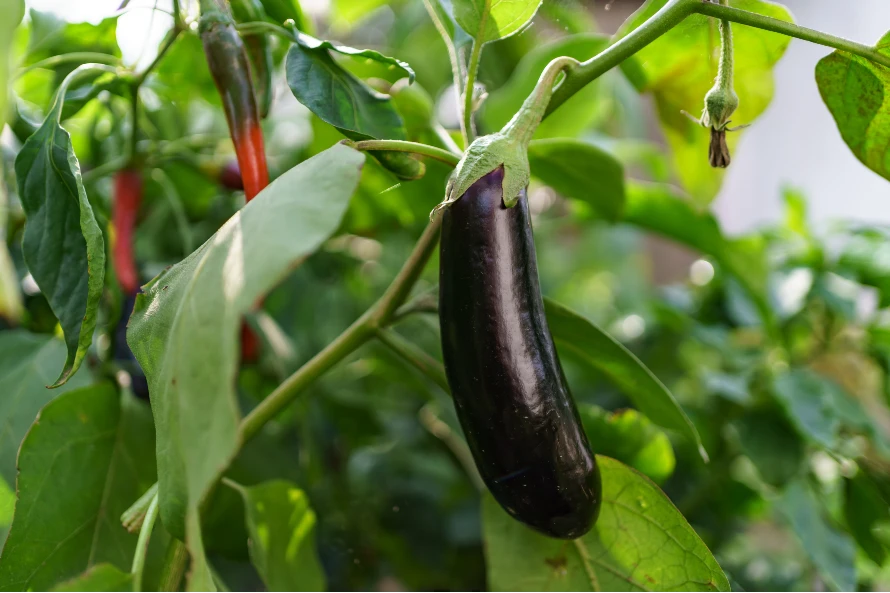
What Aubergines Actually Need
Before worrying about exact planting dates, worth understanding what these plants are after. They’re related to tomatoes and peppers—nightshade family. Similar requirements but aubergines are definitely the fussiest about warmth.
What they want:
- Warmth – won’t grow properly below 15°C, prefer 20-25°C for fruiting
- Long season – need 16-24 weeks from seed to harvest depending on variety
- Regular water – irregular watering makes fruit taste bitter
- Lots of food – greedy feeders wanting plenty of nutrients
- Support – branches snap under heavy fruits without staking
British weather challenges all of these. Short summers. Unpredictable temperatures. Rain when you don’t want it, drought when you need moisture. This is exactly why timing and picking the right varieties matters so much.
Starting Seeds Indoors
Most UK growers start aubergine seeds inside. Direct sowing outdoors? Won’t work. Maybe in Cornwall on a really lucky year, but generally forget it.
When to plant aubergine seeds timing for indoors:
Late February to early March works for most regions. Gives plants proper time to get decent size before moving outside.
Mid-March still okay. Slightly shorter season but often adequate.
Later than March getting risky. Plants might not mature before autumn arrives.
Why this early when it’s freezing outside? Because these plants need that long growing season. Seeds take ages to germinate—7 to 14 days. Then seedlings grow slowly at first. Starting in late Feb or early March means plants are decent size when outdoor conditions finally suit them.
Getting Seeds to Germinate
Aubergine seeds are picky about germinating. Really picky. They want warmth. Not “bit chilly but okay” warmth. Proper warmth.
Need temperature around 20-25°C consistently. Plant about 1cm deep. Keep compost moist but not soggy. Once they sprout, need light immediately or seedlings stretch badly and get weak.
Most houses aren’t naturally warm enough in February. Heated propagator makes life way easier. Or sunny windowsill above a radiator can work. Some people use airing cupboards for initial germination, then move to light once sprouted.
Variety choice affects germination success. ‘Moneymaker’ and ‘Black Beauty’ germinate relatively reliably. Fancy heritage varieties can be much more temperamental.
Moving Plants Outside – Timing Matters
Starting seeds indoors is one thing. Actually putting plants outside is completely different timing.
General rule across UK—don’t even think about outdoor planting until after last frost. Most areas that means mid to late May earliest. Some places need waiting until early June.
Why wait? Aubergines are ridiculously sensitive to cold. Below 10°C stunts their growth badly. Frost kills them dead. Even mild cold snaps can set plants back weeks in development.
Hardening Off Process
Can’t just shift indoor plants straight outside into full sun and wind. They’ll collapse. Need gradual acclimatization called hardening off.
Takes about 2 weeks:
First week: Take plants outside during warmer parts of day (only when 10°C+), bring back in at night. Start with couple hours, increase gradually.
Second week: Leave out for longer including slightly cooler evenings. Still bring in if any frost threatens.
After 2 weeks: Should cope with outdoor conditions full-time, assuming temperatures stay above 10°C consistently.
Hardening off is tedious. Means shifting plants in and out daily. But skip it and plants get massive shock, losing weeks of growth or dying completely. Not worth the risk.
Greenhouse or Outdoors?
Big decision for UK growers. Where to actually grow these things?
Growing in Greenhouses
Advantages:
- Warmer – typically 5-10°C warmer than outside temperatures
- Longer season – can start earlier in spring, continue later into autumn
- Weather protection – no rain damage, wind damage, fewer pest problems
- Reliable – consistent conditions produce better, more predictable yields
Disadvantages:
- Limited space – greenhouses fill up fast with tomatoes, peppers, cucumbers
- Need ventilation – poor airflow causes disease issues
- Watering – greenhouse plants dry out way faster, need more attention
Greenhouse growing suits most UK regions really well. That extra warmth makes proper difference for heat-loving aubergines.
Outdoor Growing
Works in southern England sometimes. Needs really sheltered spots. Even then, success varies year to year. Requirements:
- Sunny, sheltered spot – south-facing wall is ideal
- Good soil – well-drained and fertile
- Wind protection – they break easily
- Right varieties – only quick-maturing ones stand a chance
Outdoor success is unpredictable. Some summers work brilliantly. Others are disappointing. Having greenhouse as backup definitely helps.
Picking Varieties That Work
Not every aubergine variety suits UK growing. Some need longer, hotter seasons than Britain offers. Others cope reasonably with our weather.
Varieties that work here:
- Black Beauty – reliable standard dark purple, handles variable conditions
- Moneymaker – compact plants, matures quickly, decent yields
- Barbentane – early variety bred specifically for cooler climates
- Ophelia – F1 hybrid, productive, handles UK weather well
- Long Purple – slim fruits, productive, bit more cold-tolerant
Skip unless greenhouse available:
- Very long-season types – won’t mature in time
- White aubergines – generally need more heat
- Fancy colours – pretty but often less reliable here
Container varieties like ‘Pot Black’ suit patio growing. Bonus is moving pots to sheltered spots or indoors if weather turns nasty.
Soil Prep and Containers
Aubergines are hungry. Need fertile, well-drained growing stuff whether in ground or pots.
Planting in Ground
Prep beds properly:
- Dig in loads of well-rotted compost or manure (at least 5-10cm layer)
- Add general organic fertilizer following packet instructions
- Make sure drainage is good—waterlogged roots kill these plants
- pH around 6.0-7.0 suits them fine
Space plants 45-60cm apart. Closer spacing gives smaller fruits. Wider improves air circulation but uses more space.
Growing in Containers
Loads of UK growers prefer containers for aubergines. Flexibility to move plants for warmth or shelter is brilliant.
What containers need:
- Minimum 30cm diameter per plant (bigger genuinely better)
- Proper drainage holes – absolutely essential
- Quality compost – multipurpose or tomato compost both work
- Best position – sunniest, most sheltered spot you’ve got
Coir products UK suppliers sell make excellent container media. Coir-based stuff drains well while holding moisture—perfect for aubergines’ fussy needs. Mix with compost, add slow-release fertilizer for best results.
Using Grow Bags
Aubergine Grow Bag options work well. Tomato grow bags do same job. One or two plants per bag depending on size.
Types of grow bags suitable:
- Standard plastic – cheap, single season, work adequately
- Fabric ones – reusable, drain better, air-prune roots
- Coir bags – sustainable, brilliant moisture retention
- Reinforced – deeper than standard, better for larger plants
Benefits of coir grow bags for aubergines:
- Hold moisture better so less frequent watering needed
- Better structure than peat alternatives
- Environmentally friendly and sustainable
- Often perform better through season
- Can compost or reuse them
Whatever type, grow bags need regular feeding. Limited soil means nutrients run out quickly.
Looking After Growing Plants
Getting planting right is just the beginning. Aubergines need proper attention through the season.
Watering
Inconsistent watering is top reason for rubbish aubergine crops. What they need:
- Regular watering – soil should stay evenly moist, never bone dry or waterlogged
- More as plants grow – tiny seedlings need little, fruiting plants need loads
- Morning watering better – reduces overnight disease risk from damp leaves
- Mulch helps – keeps moisture in, reduces watering frequency
Container plants and grow bags dry out way faster than ground ones. Often need daily watering in hot weather.
Feeding
Aubergines are greedy. Start feeding when first flowers appear:
- Tomato fertilizer works brilliantly – high potassium for flowering and fruiting
- Weekly feeding when actively growing and fruiting
- Seaweed feeds provide trace elements organic growers want
- Reduce feeding as season ends and fruiting slows
Underfed plants make small, bitter fruits. Overfed ones produce excessive leaves with few fruits. Getting balance right matters.
Staking Plants
As fruits develop, branches get heavy. Without support they snap. Stake early:
- Push cane in near stem (careful with roots)
- Tie stem loosely as it grows
- Support side branches with more canes if needed
- Use soft ties that won’t damage stems
Managing Flowers and Fruits
Aubergines flower loads. Not all become fruits though. Temperature and pollination affect whether flowers actually set fruit.
Getting Fruits to Set
Cool temperatures prevent fruit set even with abundant flowers. If nights regularly drop below 15°C, flowers just drop off without setting.
Help pollination:
- Tap flowers gently to move pollen around
- Good air circulation especially in greenhouses
- Avoid too much nitrogen – makes leaves instead of flowers
Some growers remove earliest flowers to let plants get bigger first. Can increase overall yields though delays first harvest.
Thinning Fruits
Plants often set more fruits than they can actually mature. Thinning increases size and quality:
- Leave about 5-6 fruits per plant for best results
- Remove smallest or misshapen ones
- Later fruits unlikely to mature anyway in UK climate
- Concentrates plant energy into remaining fruits
Seems wrong removing fruits but mature, full-sized aubergines beat loads of tiny immature ones.
Common Issues
Even with good care, problems happen. Spotting them early helps.
Plants Not Growing
Sitting there doing nothing? Usually temperature. Aubergines won’t grow actively below 15°C. Moving containers to warmer spots helps. Ground ones just need waiting for weather to improve.
Flowers Dropping Off
Flowers forming then falling without setting fruit? Temperature again usually. Also possibly irregular watering, too much nitrogen fertilizer, or poor pollination.
Pests
Aphids and red spider mite both love aubergines. Check leaf undersides regularly:
- Aphids – cluster on new growth, leave sticky stuff on leaves
- Red spider mite – fine webbing, leaves go yellow
Organic controls include soap sprays, predatory insects, or just blasting with water. Chemical controls exist but follow instructions carefully.
Disease
Related to tomatoes, aubergines can get blight in wet conditions. Brown spots on leaves, stems go black. Prevent with good spacing, avoid wetting leaves when watering, remove affected bits immediately.
Harvesting
Knowing when to pick takes practice. Too early and they’re underdeveloped. Too late and they’re seedy and bitter.
Ready when:
- Skin glossy and smooth – dull skin means overripe
- Firm when squeezed gently – soft means too late
- Good size – varies by variety but generally 10-20cm for standard types
- Even color – no green bits remaining
Cut with secateurs, leave bit of stem attached. Don’t pull—damages plants.
First fruits usually appear August for Feb-sown plants. Keep harvesting through September and October if weather stays mild. Greenhouse ones often fruit longer.
Season Extension
UK seasons are short for heat-lovers. Every extra week counts.
Start seeds early (late Feb). Use heated propagators. Grow in greenhouse if possible. Pick quick-maturing varieties.
For late season, move containers into greenhouse as nights cool. Protect outdoor plants with fleece for light frosts. Pick all fruits before hard frost—can ripen indoors.
Regional Differences
Scotland and northern England definitely need greenhouse or polytunnel. Outdoor success very unlikely.
Midlands and Wales benefit loads from greenhouse. Sheltered outdoor spots might work with early varieties and luck.
Southern England has best outdoor chances. Still, greenhouse makes things way more reliable.
Worth the Effort?
Growing aubergines in UK takes more effort than tomatoes or peppers. They’re fussier about temperature, slower to mature, more prone to problems.
So why bother?
Flavour. Home-grown aubergines taste completely different from shop ones. Sweeter, less bitter, better texture. Once you’ve tasted them, supermarket versions are disappointing.
Plus satisfaction from growing something challenging successfully. When those glossy fruits hang from plants in late summer, feels brilliant.
Wrapping Up
So back to the question—when to plant aubergine for UK success? Start seeds late Feb to early March indoors. Move plants outside after last frost in May or June. Grow in greenhouses for best results. Choose varieties suited to UK. Provide consistent care through season.
Success isn’t guaranteed every year. Weather varies. Some summers suit aubergines better than others. But with proper timing and attention, most UK gardeners can grow decent crops.
Effort might seem excessive for a few aubergines. But bite into perfectly grilled home-grown aubergine drizzled with olive oil? Totally worth it. Every time.