People keep insisting cucumbers are easy. I’m still not sure who started that rumour, because in real gardens they behave like the dramatic friend who can’t handle the slightest inconvenience. A bright, windy afternoon? They sulk. One unexpectedly cool night? They pause their entire existence. Give them a little too much water? They faint like Victorian poets.
So instead of dressing the experience up, here’s a blunt, garden-level look at the things that go wrong with cucumber growing problems—the stuff you’ll actually witness, not the polished textbook stories.
The Problems You’ll See First (Because They Always Show Up First)
That First Unexpected Yellow Leaf
Among the common problems with cucumber plants, this one is universal. Yellow leaves appear for every reason under the sun: soggy soil, hungry roots, dim light, cold spells, early disease—sometimes even because the plant simply outgrew its pot.
A simple habit helps:
Watch which leaf turns yellow next. One leaf is noise. Two leaves create a pattern.
Crispy, Brownish Edges After a Harsh Day
Bright sun and wind = fried leaf edges. Most new growers assume it’s a nutrient issue, but nine times out of ten it’s just the plant drying out quicker than it can recover.
There’s no magic fix here.
Mulch helps. Watering early helps. And sometimes, that’s the end of the story.
Growth That Suddenly Freezes for a Week
This one belongs in the list of common problems growing cucumbers, but no one explains it in plain language. Cucumbers hit normal “pause phases.” A cold night, cramped roots, or rough transplanting—any of these will make the plant stall.
It looks worrisome, but they usually just need time to reset.
The Diseases You’re Most Likely to Meet (Not All Twenty From Google)
The world of disease in cucumber plants sounds huge online, but backyard gardeners typically run into only three.
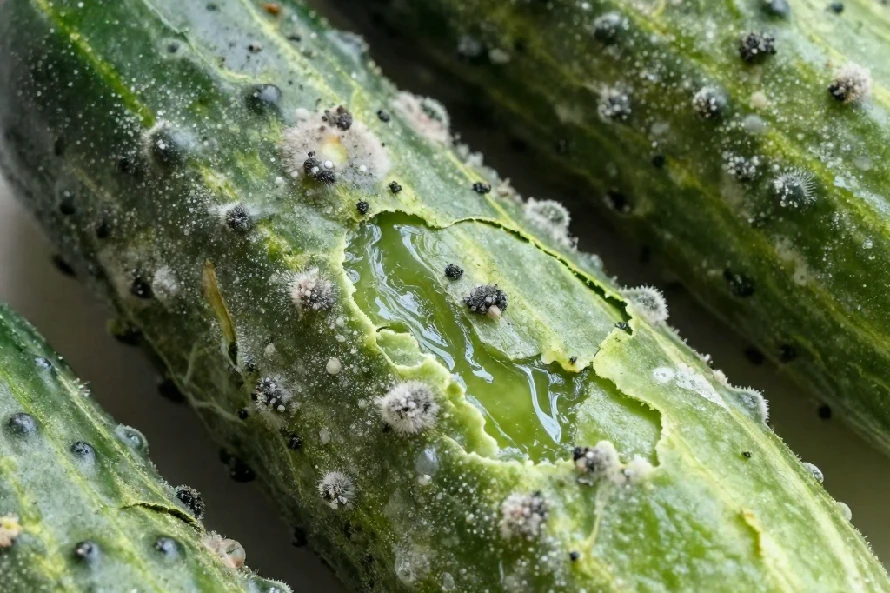
Powdery Mildew
Shows up right when you start feeling confident. Looks like flour dusting. Loves humidity and cramped leaves.
Trim a few leaves, give the plant space, water the soil—nothing dramatic.
Downy Mildew
More of a damp-climate situation. Yellow irregular patches on top of leaves, grey fuzz under them.
Remove affected leaves and let the sun hit the plant. That’s the most practical response.
Cucumber Mosaic Virus
Hard to miss: distorted leaves, patchy patterns, strange fruit shapes. Sadly, no cure. Removing the plant is the only honest solution.
Aphids spread it—controlling them helps more than any spray.
When the Roots Start Complaining
Compacted soil or chronic wetness leads to drooping leaves that fool people into giving more water.
If the soil feels wet and the leaves still flop, the roots are overwhelmed—not thirsty.
Problems That Look Terrible but Aren’t Actually Diseases
These are the cucumber-growing issues that send gardeners into unnecessary panic:
- Bitter fruits → stress from heat and uneven watering.
- Wonky-shaped cucumbers → incomplete pollination.
- Midday leaf droop → normal. They perk back up in the evening.
- Lots of leaves but barely any fruit → cool weather mixed with a bit too much nitrogen.
The Growing Medium: The Hidden Source of Half the Problems
Heavy, clumpy soil is the quickest path to trouble. Cucumbers don’t enjoy suffocated roots. That’s why lighter mixes—especially coir blends—become so popular.
You’ll notice more coir products in the UK these days, and it makes sense: coir drains well yet holds enough moisture to keep cucumber roots from getting cranky.
Containers and Grow Bags Matter More Than People Expect
Vines get heavy. Soil compacts. Drainage shifts. A flimsy grow bag can undo a healthy plant.
There are several types of grow bags out there, and each reacts differently to rain, heat, and long summers. The sturdier ones keep their shape, keep roots aerated, and don’t cling to water for too long.
Why Coir Grow Bags Suit Cucumbers So Well
Cucumber roots crave oxygen. Coir happens to provide exactly that balance—fast drainage with steady moisture. Many gardeners try coir bags after dealing with soggy soil once too often, and they rarely go back.
Finding Bags That Don’t Collapse Under a Heavy Vine
Cucumber vines gain weight fast. A good grow bag should stay upright and keep the soil loose enough for the plant to dig deep without drowning. That’s the real difference—not the color, not the price tag.
The “Rhythm” of Growing Cucumbers (Not a Formula)
People love giving step-by-step instructions, but cucumbers don’t run on instructions. They run on rhythm—your climate, your habits, and your watering timing.
Here’s what that rhythm often looks like:
Early season
Warm soil, slow hardening, gentle handling. Avoid compacted mixes.
Mid-season
Guide the vines before they turn into knots. Water before the sun peaks. Keep leaves dry.
Peak summer
Harvest often or the plant slows down. Move air through the canopy. Feed lightly.
When nights cool
Ease off watering. Watch for mildew. Pick fruits before the cold spoils them.
It’s less about rules and more about noticing the plant’s mood shifts.
When You Should Act Quickly
These are the moments that deserve immediate attention:
- The soil is wet and leaves are still drooping
- Spots spreading fast
- Strange deformities in new leaves
- Yellowing in irregular patches
- Stems turning soft or collapsing
When any of these show up, don’t wait—they usually signal active infection or struggling roots.
Final Thought
Cucumbers aren’t truly complicated—they’re just reactive and a bit dramatic. Once you understand what those reactions mean, most common problems growing cucumbers feel manageable, even normal.
Give them steady moisture, breathable roots, decent airflow, and warmth whenever you can. They don’t ask for perfection—just consistency.