
Ginger is a useful and healthy thing that people use when they cook. The good thing about ginger is that you do not need to live very warm to grow it. If you have the things at home you can grow ginger even when it is not very warm outside. Ginger is something that you can grow at home. It is good for you.
This guide is about growing ginger. It tells you how to grow ginger and when you should plant ginger. You will also learn what kind of containers are best for ginger and how to take care of ginger when it is growing inside your home in the United Kingdom. The guide covers growing ginger indoors in the UK. Provides tips for growing ginger.
Why Grow Ginger at Home?
Growing your own ginger has several benefits:
- Fresh and chemical-free
- Homegrown ginger is free from preservatives and treatments.
- Cost-effective
You can get a lot of ginger from one piece of ginger. This is because one piece of ginger can give you harvests of ginger. Ginger is really good at growing, so you can use one piece of ginger to get many harvests of ginger.
- Ideal for small spaces
Ginger does well when you grow it in containers. You can also grow ginger on your patio. Some people know how to grow ginger indoors. It works out fine. Ginger is a thing to grow in these places because it does not need a lot of space. You can have ginger in your home on your patio or, in containers. It will still grow well.
- Low maintenance
Ginger is a thing to grow. It does well when it is warm and moist. The ginger grows steadily. You do not have to do a lot to take care of it. The warmth and moisture are really good, for the ginger.
Understanding Ginger Growing Conditions
Ginger is a type of plant that does well in weather. It grows from a part called a rhizome not from a seed. If you are, in the United Kingdom Ginger will do best when it is grown in a place where people can control the temperature and other things.
Key conditions ginger needs:
- Mild warmth
- Consistent moisture
- Free-draining growing medium
- Shelter from frost and strong winds
The weather is a factor so a lot of people who like to garden decide to grow ginger inside their homes or in pots. This way they can take care of the ginger. Make sure it gets the right amount of heat and water. People like to grow ginger indoors or in containers because of the climate.
How and When to Plant Ginger in the UK
In the United Kingdom you should plant ginger:
- Late winter to early spring (February to April)
- Indoors or in a greenhouse for warmth
How and When to Plant Ginger knowledge is essential for giving the plant time to mature before the colder months return. The plant needs this time to get ready for the months. The colder months can be very bad for the plant if it is not mature.
Choosing the Right Ginger Rhizome
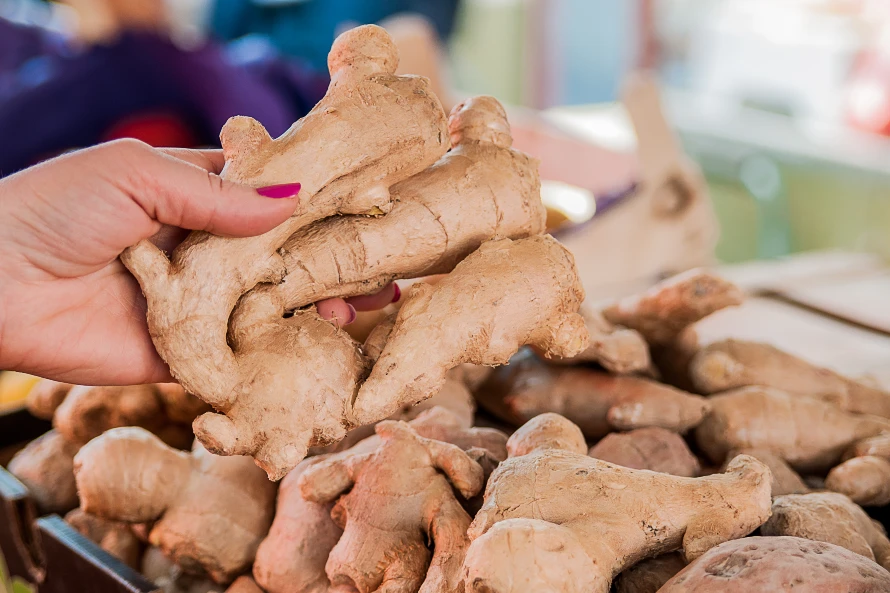
When learning how to plant ginger, start with good quality rhizomes.
Look for:
- Firm and plump ginger pieces
- Visible growth buds (eyes)
- Organic ginger if possible
Avoid shrivelled or mouldy pieces.
How to Plant Ginger Step by Step
Planting ginger is simple and beginner-friendly.
Step-by-Step Guide
Prepare the ginger
To grow a plant you need to cut the rhizome into pieces. Make sure each piece of the rhizome has at least one eye. This is important for the rhizome to grow into a plant. You have to be careful when you cut the rhizome into pieces so each piece of the rhizome has an eye. The rhizome will not grow if it does not have an eye.
You should use a container that’s really wide when you are doing this because a wide container is very useful. A wide container will make it easier for you to do what you need to do. Use a container to get the best results.
Ginger does not grow deep into the ground. It actually spreads out horizontally. The ginger plant grows this way because it needs to make room for all its roots to grow. Ginger grows along the surface of the soil, not down like some other plants do. This is how the ginger plant grows.
Plant shallow
Place the rhizome 3–5 cm below the surface, buds facing up.
Water lightly
Keep soil moist, not soggy.
Place in warmth
A bright spot like a windowsill or a greenhouse is perfect for this. The windowsill or greenhouse gets a lot of sunlight which’s what you need. So if you have a windowsill or a greenhouse that is a good place to put it.
You will usually see shoots after a week like two to four weeks.
How to Grow Ginger at Home Successfully
Growing ginger at home is pretty simple. It just needs you to do things the way all the time. You do not have to put in a lot of work to grow ginger at home. Growing ginger at home is about being consistent when you take care of the ginger.
Care Tips
Water regularly
The soil needs to have water in it all the time. Not too much. It should feel damp when you touch it, not dry or soaking wet. This means the soil should stay evenly moist so the plants can grow well. The soil needs to be moist like when you water it and it feels just right.
Maintain warmth
Ideal temperature is 18–25°C.
Feed occasionally
Use a mild organic feed once a month.
Avoid frost
Bring containers indoors during cold spells.
When you are growing ginger you have to be patient. Ginger grows slowly. So patience is really important when it comes to ginger.
How to Grow Ginger Indoors in the UK
Growing plants indoors is a good way to do it in the United Kingdom. Indoor growing is something that people in the UK like to do because it works well.
Benefits of Growing Ginger Indoors
- Protection from cold weather
- Easier moisture control
- Longer growing season
- Best Indoor Setup
- Bright but indirect sunlight
- Warm room or heated greenhouse
- Containers with good drainage
Windowsills, conservatories, and kitchens are ideal spaces.
Choosing the Right Containers for Ginger
The container you choose is really important for growing ginger. You need to pick a container that’s good for the ginger to grow well. The right container choice will help the ginger grow big and strong. Ginger growth is affected by the container you choose.
Why Grow Bags Are Ideal
Grow bags are really great for people who want to do some gardening. They are very good because you can move them around easily.
- You can put the grow bags anywhere you like.
- Grow bags are ideal for people who live in cities and don’t have a lot of space.
- The good thing about grow bags is that they are easy to take care of.
You can use grow bags to grow all sorts of things like tomatoes and flowers and herbs.
Grow bags are ideal because they are simple to use.
- They do not take up a lot of room
- You can put them on a balcony or a patio
- Grow bags are ideal for people who’re new to gardening.
The reason growing bags are ideal is that they are easy to handle and you can grow lots of things in them.
Grow bags are great. People should try using them to do some gardening.
A lot of people who have gardens in the UK like to use **grow bags, for ginger** because they are easy to use and the water can get out of them.
good things, about this are:
- Better root development
- Improved aeration
- Easy movement indoors and outdoors
To pick the best grow bags for ginger you need to know about the different types of grow bags. This way you can select the right **grow bags** for your ginger.
Benefits of Coir Grow Bags for Ginger
People who grow plants in the United Kingdom are really starting to like containers made from coir. These coir-based containers are getting more popular all the time with UK growers.
You can also read benefits of coir grow bags more
Why Choose Coir?
The benefits of coir grow bags for ginger are really great.
They help plants grow in a way
The benefits of coir grow bags also include being good for the environment.
The benefits of coir grow bags make them very useful, for people who want to garden.
- Excellent moisture retention
- Natural and biodegradable material
- Good airflow to roots
- Reduced risk of overwatering
Coir is really good for ginger because ginger likes the soil to be damp but not too tight. Ginger needs to have air around it to grow well. Coir helps with that.
Many gardeners source sustainable **coir products UK** suppliers to ensure quality and environmental responsibility.
Soil and Growing Medium Tips
Ginger really likes the soil it is planted in to be light and also very rich. The medium that Ginger is grown in should have these qualities. Ginger will do well in a growing medium that’s light and rich.
- Ideal Mix
- Well-draining compost
- Coconut coir for moisture balance
- A small amount of sand or perlite
When you are working with plants it is an idea to stay away from heavy garden soil. This type of soil can be bad for the rhizome. The rhizome needs room to grow and heavy garden soil can stop the rhizome from growing like it should. So it is best to avoid garden soil to help the rhizome grow.
Common Problems and How to Avoid Them
Ginger is really easy to take care of. Sometimes problems can still come up with the ginger. The thing about ginger is that it is pretty simple to look at, however you might still have some trouble with your ginger.
Common Mistakes
Overwatering
Leads to rot and fungal issues.
Cold exposure
Slows growth significantly.
Poor drainage
Causes weak root development.
Good containers and proper care prevent most problems.
Harvesting Ginger
Ginger is usually ready to be picked after it has been growing for 8 to 10 months. The ginger is ready to harvest when it has been in the ground, for this amount of time. People can then dig up the ginger. Use it.
When to Harvest
- The leaves on the plant start to turn yellow. Then they die back. This is what happens when the leaves start to yellow and die back. The leaves just start to turn. Then they die back.
- The rhizomes feel firm and they are really well-developed the rhizomes are, in shape
You can also pick the ginger early if you want the flavour to be mild. The young ginger has a flavour when you harvest it early.
How to Harvest
- Gently remove soil
- Cut off what you need from the things that’re extra you can just cut off what you need and use that. Cutting off what you need is a way to get only what is necessary. You will be left with what you need after you cut off what you need.
- Replant remaining rhizomes if desired
Storing and Using Homegrown Ginger
When you take care of fresh ginger it stays good for a long time. Fresh ginger is really great when you handle it that way. You can keep ginger for a while if you do things correctly.
Storage tips:
- Refrigerate for short-term use
- Freeze for long-term storage
- Dry slices for teas and powders
I really like ginger because it smells so much better and tastes stronger than the ginger you buy in stores. Homegrown ginger has a lot of character and the flavour of ginger is just great.
Final Thoughts: Is Ginger Easy to Grow in the UK?
So you want to know if ginger is easy to grow in the United Kingdom. Growing ginger in the UK can be a little tricky. The thing is, ginger needs a humid climate to grow well. The United Kingdom does not really have this kind of climate.
Ginger is a plant that usually grows in places. The UK is not a place. It is a lot colder and damper.
But do not worry you can still grow ginger in the UK. You just need to take care of it a little. You have to make sure it is warm and cozy. You can do this by growing it in a greenhouse or a warm room.
You can also grow ginger in pots. This way you can move it around to keep it warm.
Growing ginger is really not that hard when you do it the way. To grow ginger you need to know how to grow ginger and pick the things to put it in like coir grow bags. You also need to keep it warm. If you do all these things people who have gardens, in the UK can have a harvest of ginger.
I think growing ginger at home is really fun. You can try growing ginger indoors too. People also like to use coir products uk that are good for the earth. The thing about ginger is that it is a plant to have. It does not need a lot of space so ginger is good for big areas.